
A Verdict Isn't Always the Last Word
When something feels off about how your case was handled — or when a court's decision doesn't sit right — there may be more options than you think. We're trial lawyers who know Mississippi's court system from the ground floor to the highest court in the state, and we're willing to take a hard look at what happened.
How Mississippi's Court System Works
Understanding where your case stands starts with understanding how the courts are structured. Most civil and criminal cases at the trial level are heard in Circuit Courts. Mississippi has 22 circuit court districts — we practice primarily in the 13th Circuit Court District, which covers Simpson, Covington, Jasper, and Smith counties, and we handle matters across the state from there.
When a verdict or ruling is appealed, it typically moves to the Mississippi Court of Appeals, which is an intermediate appellate court that reviews decisions from the trial courts below it. Certain cases — particularly those involving constitutional questions, significant legal issues, or matters the Court of Appeals certifies for review — go directly to or are further appealed to the Mississippi Supreme Court, the state's court of last resort.
Each level of review has its own procedures, deadlines, and standards. Knowing which court has jurisdiction over your case and what arguments are available at that stage is not something to navigate without experienced counsel.
What Appellate Work Actually Involves
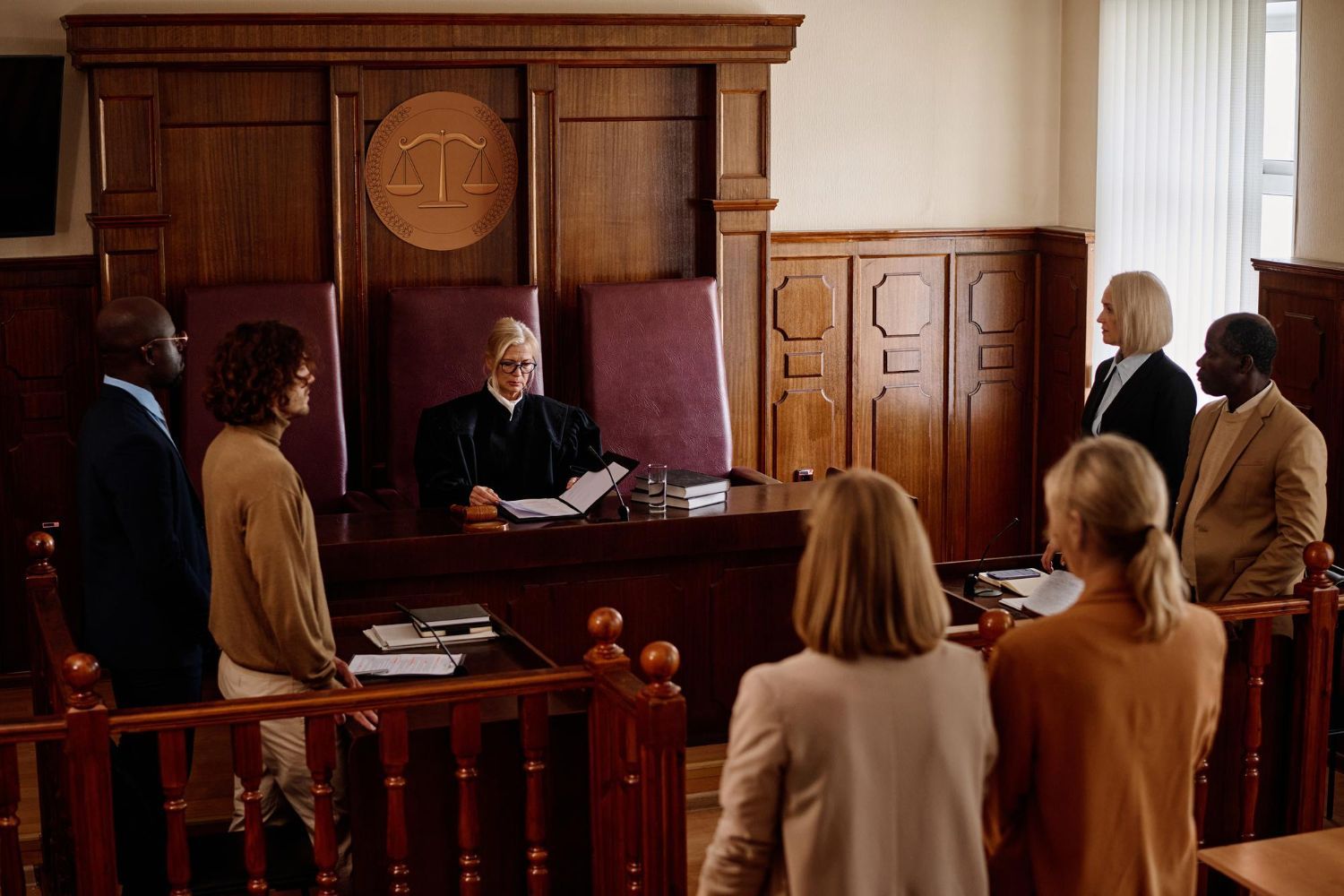
An appeal is not a second trial. You are not re-presenting your facts to a new jury. Appellate courts review the record of what happened below — the transcripts, the rulings, the evidence that was admitted or excluded — and they decide whether legal errors were made that affected the outcome.
That distinction matters because appellate work requires a different kind of preparation. It demands a careful reading of the entire trial record, a precise understanding of Mississippi appellate procedure, and the ability to construct a written argument that holds up under the scrutiny of a multi-judge panel. We do that work.
- We represent clients before the Mississippi Court of Appeals and the Mississippi Supreme Court
- We handle both civil and criminal appeals
- We review trial records for procedural errors, evidentiary rulings, and constitutional issues
- We draft appellate briefs and, where applicable, argue before the court
- We take on cases where prior representation may have left issues on the table
When Your Previous Case Didn't Go the Way It Should Have
One of the most consistent reasons people come to us is that they feel — sometimes clearly, sometimes just as a gut instinct — that their last lawyer didn't handle their case the way it deserved to be handled. Maybe the outcome was wrong. Maybe the process felt rushed. Maybe you were told to take a deal you weren't sure about, or you went to trial and lost in a way that didn't make sense to you.
We take that seriously. We've built part of our practice around stepping in after prior counsel has fallen short, and we approach those situations with the same thoroughness we bring to cases we've handled from day one. If something feels off, we'll take a closer look and tell you honestly what we find.
Our Second Opinion Case Review service exists specifically for this situation — for people who want an experienced trial lawyer to review what happened and give them a straight answer about whether anything can be done.
Criminal Appeals in Mississippi
A criminal conviction carries consequences that follow a person for years. If you or someone you care about was convicted at trial and you believe the process was flawed — whether through improper jury instructions, excluded evidence, ineffective assistance of counsel, or a constitutional violation — an appeal may be the appropriate next step.
The window to file a criminal appeal in Mississippi is narrow, and the procedural requirements are strict. Waiting to consult with an attorney after a conviction is one of the most common mistakes people make. The sooner we can review the trial record, the more options are likely available.
What Makes a Trial Lawyer Different in an Appeal
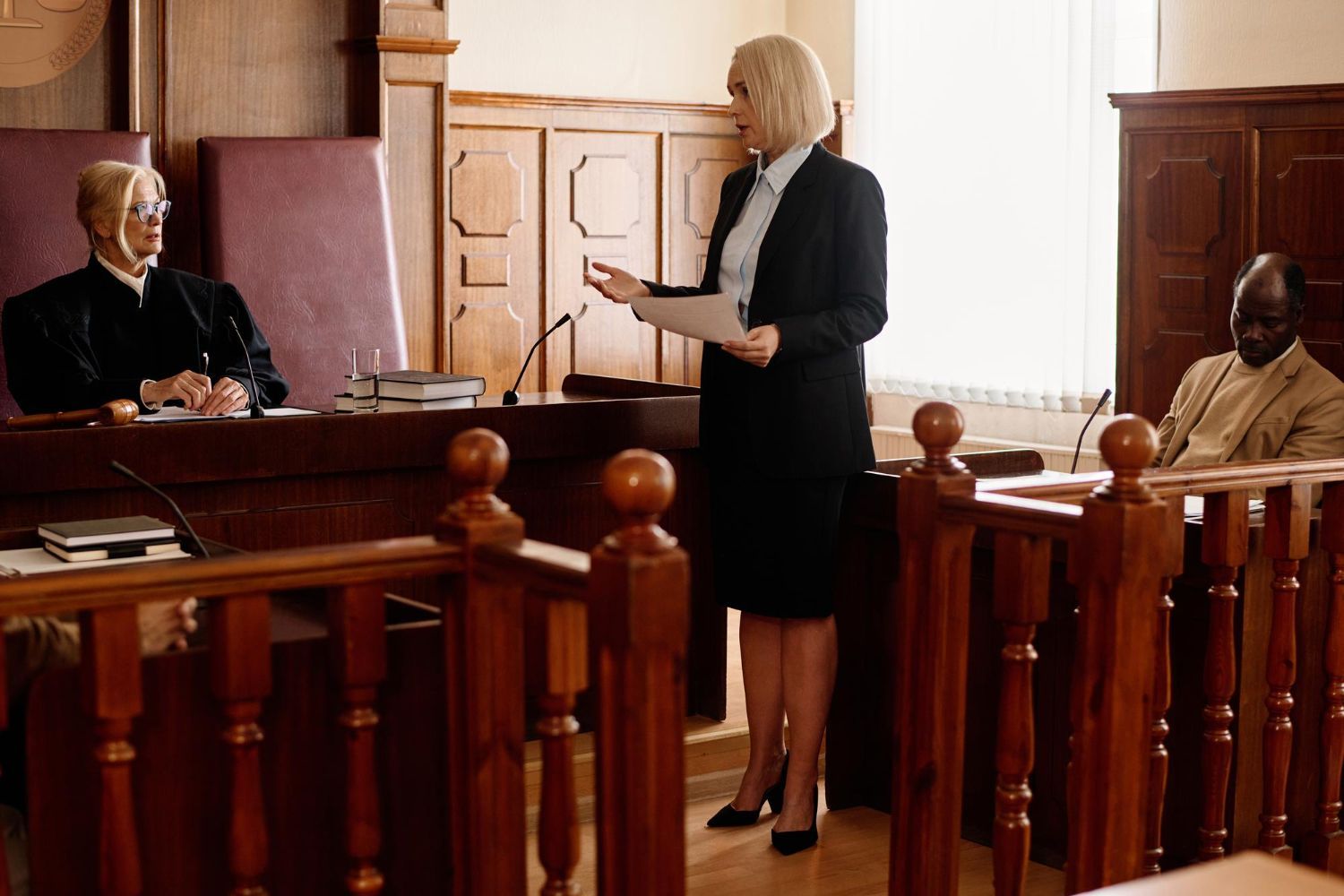
Not every attorney who handles appeals has spent time in a courtroom as a trial lawyer. That experience matters more than it might seem. When we review a trial record, we're reading it the way someone who has actually tried cases reads it — we recognize what a jury heard, what a judge should have done differently, and where the record reflects a mistake that may have changed the outcome.
We're not a firm that settles everything before it reaches a courtroom and then refers out when the fight gets harder. We try cases. We argue appeals. And we know the difference between a case that has genuine appellate merit and one that doesn't — which means when we tell you there's something worth pursuing, we mean it.
Common Questions About Appeals in Mississippi
How do I appeal a case in Mississippi?
The process begins by filing a notice of appeal within a strict deadline — typically 30 days from the entry of judgment in a civil case, and 30 days from sentencing in a criminal case. From there, the appellate record is assembled, briefs are filed, and the court reviews the case on the written record. In some matters, oral argument is scheduled. An attorney familiar with Mississippi appellate procedure should be involved as early as possible, because missing a deadline can forfeit your right to appeal entirely.
What's the difference between the Mississippi Court of Appeals and the Supreme Court?
The Mississippi Court of Appeals is an intermediate court that handles the majority of appeals from the state's trial courts. The Mississippi Supreme Court is the highest court in the state and generally has discretionary review — meaning it chooses which cases to hear beyond those assigned to it by statute. In some cases, the Supreme Court will certify a matter to itself directly, or a party can petition the Supreme Court to review a Court of Appeals decision. The two courts apply the same general appellate standards but serve different roles in the system.
Can I appeal if I took a plea deal?
In most cases, a guilty plea waives the right to appeal the underlying conviction, though there are limited exceptions — including claims of ineffective assistance of counsel or constitutional violations that affected the plea itself. The specifics depend on the terms of the plea agreement and the circumstances of the case. If you have questions about whether an appeal is possible after a plea, we're willing to take a look.
What if I think my previous lawyer made mistakes that hurt my case?
That's exactly the kind of situation we review. Claims of ineffective assistance of counsel are a recognized basis for appeal in criminal cases, and in civil matters, errors by prior counsel may have affected the record in ways that are worth examining. We'll review what happened and give you an honest assessment of whether there's a viable path forward.
How long does an appeal take in Mississippi?
Most appeals before the Mississippi Court of Appeals take anywhere from one to two years from the filing of the notice of appeal to a final decision, depending on the complexity of the case, the length of the record, and the court's docket. Supreme Court matters can take longer. Appeals are not a fast process, but for the right case, they are a meaningful one.
Ready to Talk About What Comes Next?
If you believe a verdict was wrong, a process was flawed, or a prior attorney didn't give your case the attention it needed, we'd like to hear from you. We'll review your situation and tell you honestly what we think. Reach us at (601) 207-3434 or complete a free intake below.